Skip to content
Quotlr

“The yearning for the common good comes from the…” – Simon Critchley

The yearning for the common good comes from the refusal to accept that perhaps Americans have very little in common apart from the elements of a sometimes successful civil religion based around a sentimental, indeed sometimes teary-eyed, attachment to the constitution and a belief in the quasi-divine wisdom of the founding fathers.
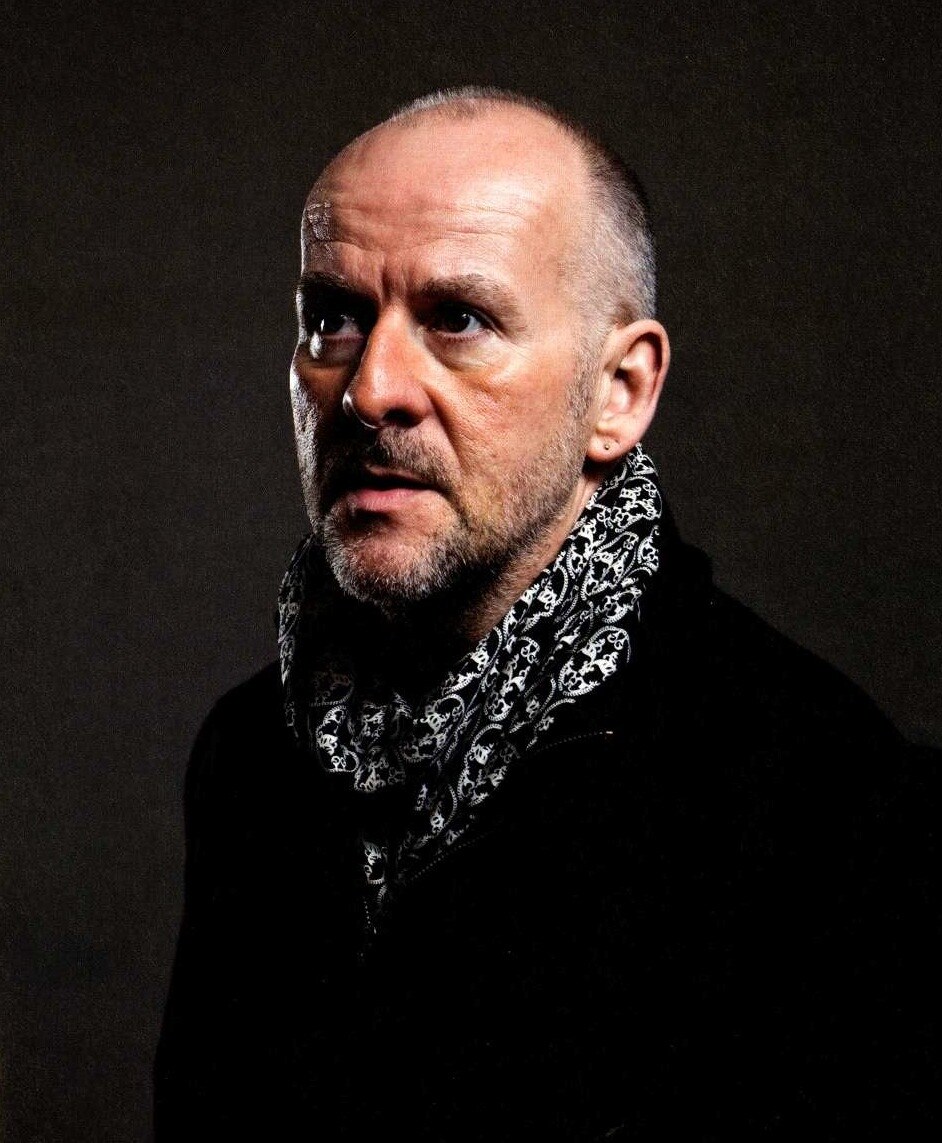
Simon Critchley

Simon Critchley British philosopher

Quote by Simon Critchley, British philosopher (1960), about father, successful and sentimental. One of 50 Simon Critchley quotes on Quotlr.

Simon Critchley Quotes

Share: WhatsApp Facebook Telegram X Pinterest LinkedIn Email

Cite this quote (APA, MLA, Chicago)

APA

Simon Critchley. (n.d.). The yearning for the common good comes from the refusal to accept that perhaps Americans have very little in common… Quotlr.com. Retrieved November 28, 2026, from https://quotlr.com/archive/quote/409049

MLA

Simon Critchley. “The yearning for the common good comes from the refusal to accept that perhaps Americans have very little in common…” Quotlr.com, https://quotlr.com/archive/quote/409049. Accessed 28 Nov. 2026.

Chicago

Simon Critchley. “The yearning for the common good comes from the refusal to accept that perhaps Americans have very little in common…” Quotlr.com. Accessed November 28, 2026. https://quotlr.com/archive/quote/409049.

Advertisement

6 more quotes

More from Simon Critchley

  • Just to say "Well, God is dead" in one breath is to say, in another, that nothing means anything. This is the moment of nihilism. Nihilism is the affirmation of meaninglessness.
    — Simon Critchley Open
  • Philosophy isn't programmed into us, and a lot of the forces of our culture steadfastly work against it. Philosophy, for me, is a way of resisting the nihilism of the present by making, creating, affirming. By going on.
    — Simon Critchley Open
  • For me philosophy begins with these experiences of disappointment: a disappointment at the level of what I would think of as "meaning," namely that, given that there is no God, what is the meaning of life? And, given that we live in an unjust world, how are we to bring about justice?
    — Simon Critchley Open
  • When the animal becomes human, the effect is pleasingly benign and we laugh outloud, "Okay come clean now. This isn't really about hunting, is it?" But when the human becomes animal, the effect is disgusting, and if we laugh at all, then it is what Beckett calls the "mirthless laugh", which laughs at that which is unhappy.
    — Simon Critchley Open
  • I've always been very keen on Pascal, and what I'm most keen on in Pascal is his emphasis upon human wretchedness. He has a phrase which goes something like 'Anxiety, boredom and inconstancy, that is the human condition' and I've always been very partial to that.
    — Simon Critchley Open
  • Philosophy is the art of dying.Philosophy is an activity that has always been concerned with how one seizes hold of one's mortality, and I see myself continuing a very ancient tradition that goes back to Socrates and Epicurus, which is that to be a philosopher is to try and learn how to die. In learning how to die, one learns how to live.
    — Simon Critchley Open

All Simon Critchley quotes