
The transformation of the experience: that is pure art.
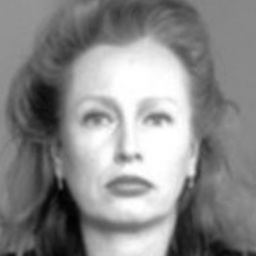
Rebecca Horn German artist
The transformation of the experience: that is pure art.
Rebecca Horn German artist
This idea of the body as a feast, it stems from Giuseppe Arcimboldo, moves to Viennese artists like Günter Brus, and then you have Salvador Dalí of course, then much later, Marina Abramović and Ulay, with their nude series in Italy. It's an ongoing conversation. There was nothing cruel about Méret's Oppenheim piece.
Méret Oppenheim was a very erotic woman. She also liked provocation, and if you could provoke surrealists at the Cabaret Voltaire in Zurich, or similar Dadaist hangouts in Basel, where you could normally get away with these things, you were truly a provocateur.
Sometimes I go to sleep thinking, "I don't like this painting." But then I wake up in the morning, look at it again and think, "Actually, that's not so bad."
You try not to talk about the past too much as an artist. Instead, you focus on the continuity of your work.
Méret's Oppenheim art was aesthetically beautiful. Drinking champagne and eating a cherry off some tits, this is no big deal really.
Of course at that time, especially here in America, we were dealing with women's liberation. Things weren't so easy then. Méret Oppenheim wasn't so directly involved in this - she was in her 60s at that point. She found her strength through competing with the great male artists of her time; Max Ernst and Marcel Duchamp.