Skip to content
Quotlr

“Reasoning from the common course of nature, and…” – David Hume

Reasoning from the common course of nature, and without supposing any new interposition of the Supreme Cause, which ought always to be excluded from philosophy; what is incorruptible must also be ingenerable. The soul, therefore, if immortal, existed before our birth: And if the former existence noways concerned us, neither will the latter.
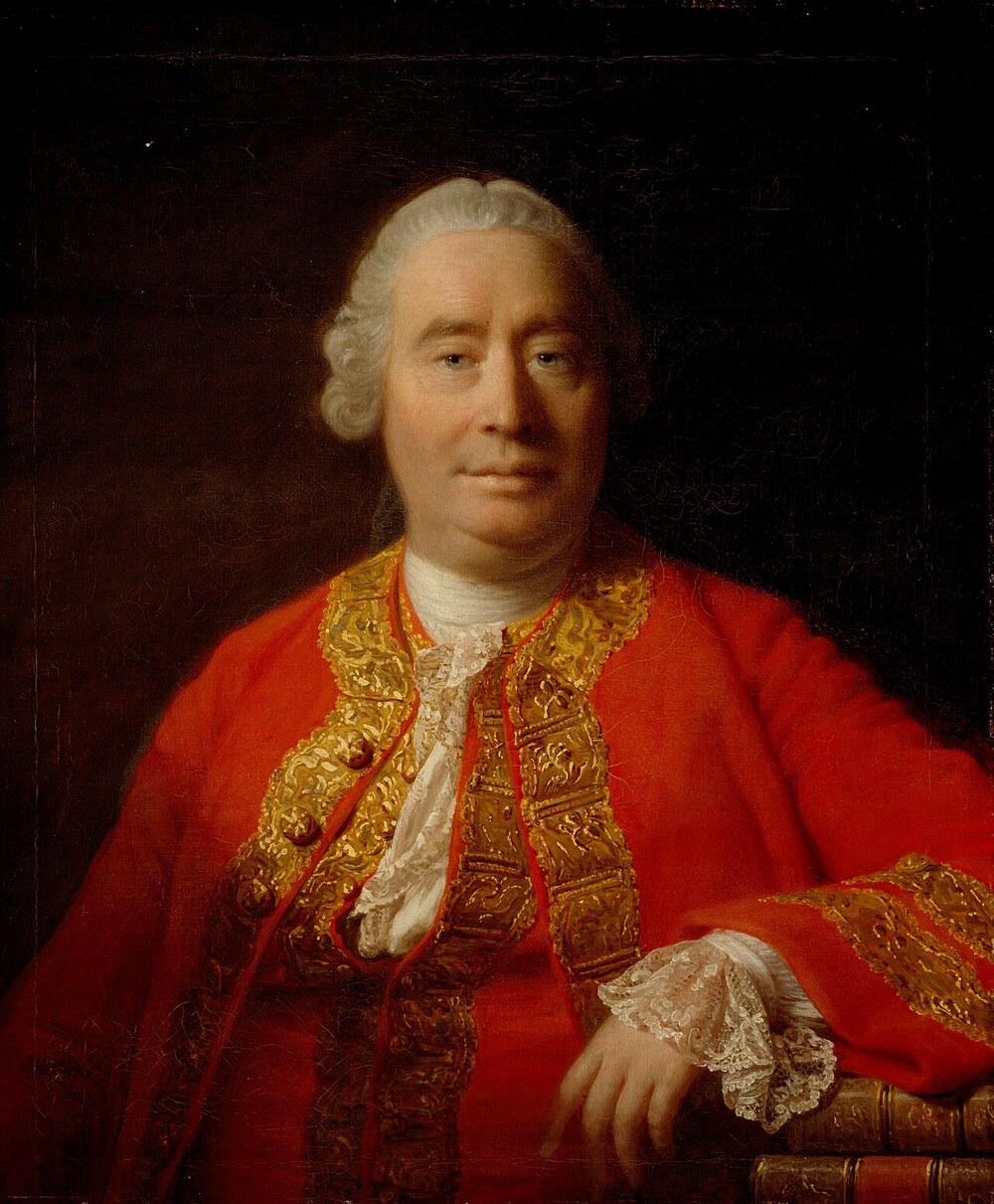
David Hume

David Hume Scottish Philosopher

4

Quote by David Hume, Scottish philosopher, about philosophy, soul and birth. One of 334 David Hume quotes on Quotlr.

David Hume Quotes

Share: WhatsApp Facebook Telegram X Pinterest LinkedIn Email

Cite this quote (APA, MLA, Chicago)

APA

David Hume. (n.d.). Reasoning from the common course of nature, and without supposing any new interposition of the Supreme Cause, which… Quotlr.com. Retrieved November 26, 2026, from https://quotlr.com/archive/quote/538198

MLA

David Hume. “Reasoning from the common course of nature, and without supposing any new interposition of the Supreme Cause, which…” Quotlr.com, https://quotlr.com/archive/quote/538198. Accessed 26 Nov. 2026.

Chicago

David Hume. “Reasoning from the common course of nature, and without supposing any new interposition of the Supreme Cause, which…” Quotlr.com. Accessed November 26, 2026. https://quotlr.com/archive/quote/538198.

Advertisement

6 more quotes

More from David Hume

  • Beauty in things exists in the mind which contemplates them.
    — David Hume Open
  • There is no such thing as freedom of choice unless there is freedom to refuse.
    — David Hume Open
  • Nothing is more surprising than the easiness with which the many are governed by the few.
    — David Hume Open
  • When men are the most sure and arrogant they are commonly the most mistaken, giving views to passion without that proper deliberation and suspense which alone can secure them from the grossest absurdities.
    — David Hume Open
  • If God is omnipotent, omniscient and wholly good, whence evil? If God wills to prevent evil but cannot, then He is not omnipotent. If He can prevent evil but does not, then he is not good. In either case he is not God.
    — David Hume Open
  • Nothing appears more surprising to those, who consider human affairs with a philosophical eye, than the easiness with which the many are governed by the few; and the implicit submission, with which men resign their own sentiments and passions to those of their rulers.
    — David Hume Open

All David Hume quotes