Skip to content
Quotlr

“What praise is implied in the simple epithet useful!…” – David Hume

What praise is implied in the simple epithet useful! What reproach in the contrary.
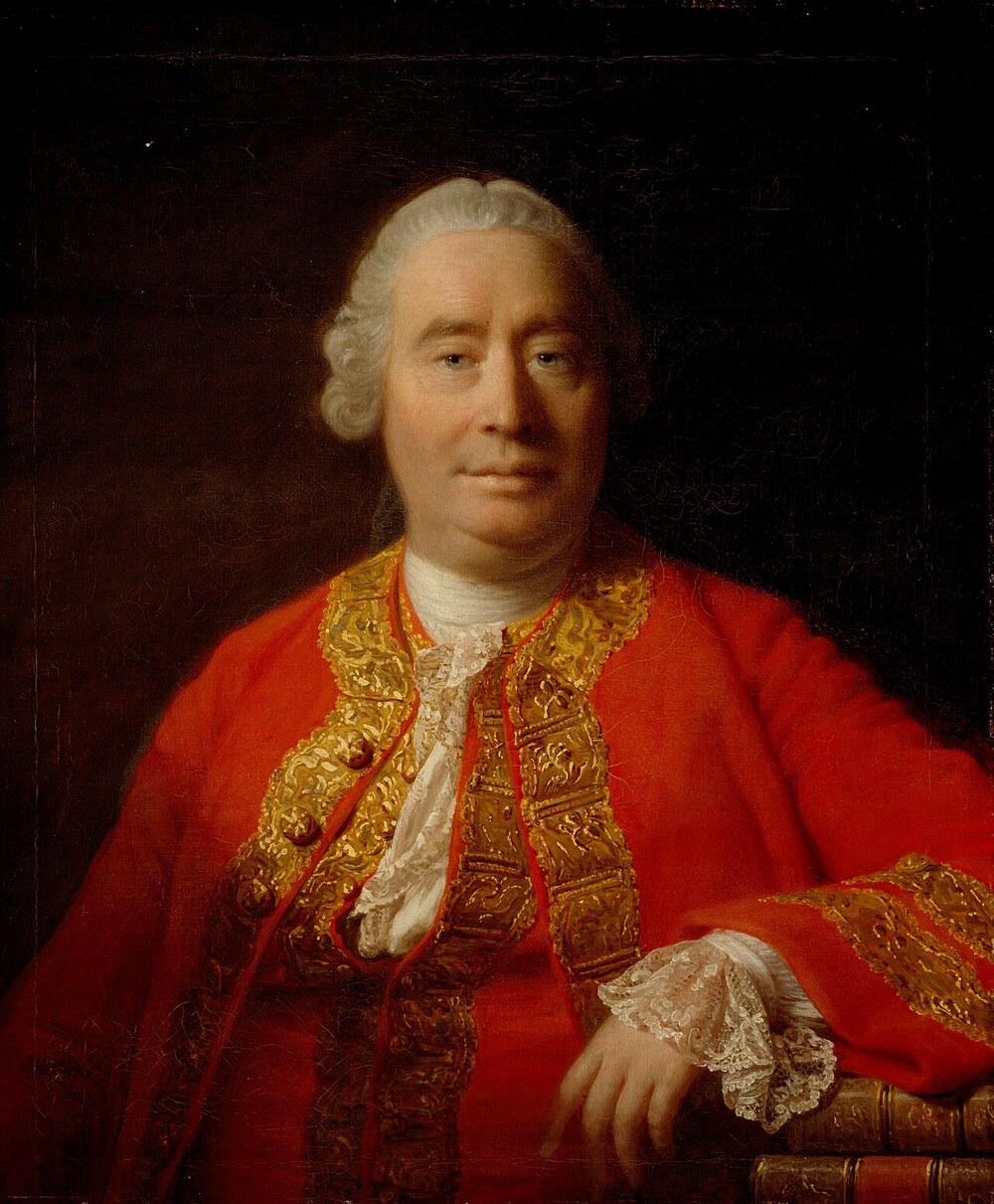
David Hume

David Hume Scottish Philosopher

3

Quote by David Hume, Scottish philosopher, about praise and contrary. One of 334 David Hume quotes on Quotlr.

Make an image David Hume Quotes

Share: WhatsApp Facebook Telegram X Pinterest LinkedIn Email

Cite this quote (APA, MLA, Chicago)

APA

David Hume. (n.d.). What praise is implied in the simple epithet useful! What reproach in the contrary. Quotlr.com. Retrieved November 21, 2026, from https://quotlr.com/archive/quote/538232

MLA

David Hume. “What praise is implied in the simple epithet useful! What reproach in the contrary.” Quotlr.com, https://quotlr.com/archive/quote/538232. Accessed 21 Nov. 2026.

Chicago

David Hume. “What praise is implied in the simple epithet useful! What reproach in the contrary.” Quotlr.com. Accessed November 21, 2026. https://quotlr.com/archive/quote/538232.

Advertisement

6 more quotes

More from David Hume

  • Beauty in things exists in the mind which contemplates them.
    — David Hume Open
  • There is no such thing as freedom of choice unless there is freedom to refuse.
    — David Hume Open
  • Nothing is more surprising than the easiness with which the many are governed by the few.
    — David Hume Open
  • When men are the most sure and arrogant they are commonly the most mistaken, giving views to passion without that proper deliberation and suspense which alone can secure them from the grossest absurdities.
    — David Hume Open
  • If God is omnipotent, omniscient and wholly good, whence evil? If God wills to prevent evil but cannot, then He is not omnipotent. If He can prevent evil but does not, then he is not good. In either case he is not God.
    — David Hume Open
  • Nothing appears more surprising to those, who consider human affairs with a philosophical eye, than the easiness with which the many are governed by the few; and the implicit submission, with which men resign their own sentiments and passions to those of their rulers.
    — David Hume Open

All David Hume quotes